Source Petrol Engines for Generators, Pumps, and Tools
Source petrol engines from 30 verified listings. Compare single-cylinder and four-stroke options, including air-cooled HL210 and electric ignition models. Evaluate specifications like displacement and cooling types to find the right power unit for your industrial needs; compare the available evidence and request quotations based on your requirements.
Key considerations
Products List




Comprehensive Sourcing Guide
Petrol Engine Sourcing Guide
Sourcing petrol engines requires a disciplined approach to align technical performance with commercial viability. Buyers must navigate a diverse market where single-cylinder air-cooled units coexist with complex four-cylinder diesel and electric alternatives. The observed product landscape includes models like the HL210 and HL420, which represent distinct engineering choices in cooling and cylinder arrangement. Understanding these variations is critical for selecting the right power source for specific machinery or industrial applications.
Procurement decisions should be driven by clear operational requirements rather than generic specifications. The presence of both naturally aspirated and electric ignition systems indicates a wide range of use cases, from simple agricultural tools to more sophisticated automotive components. Buyers need to verify whether the engine’s fuel type, whether gasoline or diesel, matches their existing infrastructure and maintenance capabilities. This initial alignment prevents costly mismatches between the power unit and the intended application environment.
Product Scope and Observed Listing Signals
The current market offers a heterogeneous mix of engine types, ranging from basic single-cylinder air-cooled units to advanced multi-cylinder configurations. Listings indicate the availability of models such as the HL210, which features an H-arrangement and air cooling, alongside the HL420, which presents an L-arrangement. These structural differences significantly impact the engine’s footprint and integration potential. Buyers must carefully examine the cylinder arrangement form to ensure compatibility with their equipment’s chassis or mounting system.
Packing and origin details provide additional context for logistics planning. Products are shipped in various formats, including carton boxes, brown boxes, and plywood cases, reflecting the fragility and value of the components. Origins span from Fuzhou to Yancheng Jiangsu, suggesting a concentrated manufacturing hub in China. While specific supplier names are not disclosed, the geographic concentration implies established supply chains. Buyers should consider how packaging choices affect shipping costs and protection during transit, especially for high-value units like the 80kw rated output models.
Technical Specifications to Verify
Technical verification begins with confirming the engine’s stroke and ignition characteristics. The HL210 is identified as a four-stroke, naturally aspirated unit with ignition mode, while the HL420 utilizes electric ignition. These distinctions affect starting reliability and maintenance intervals. Buyers must ensure that the ignition system matches their vehicle’s electrical architecture. Additionally, the piston movement type, whether rotary or reciprocating, dictates the mechanical interface required for power transmission. Misidentifying this attribute can lead to incompatible drivetrain designs.
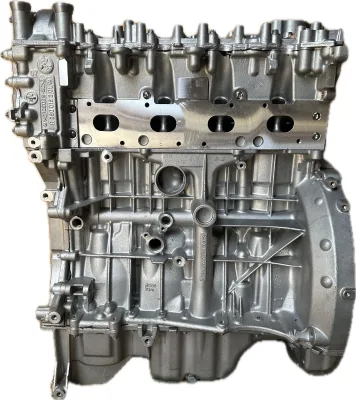
Displacement and performance metrics are crucial for power matching. The A15G model, for instance, boasts a displacement of 1.499L with a rated output of 80kw and a maximum torque of 145 N.M at 4000 rpm. Such high-performance data requires careful validation against the intended load requirements. Buyers should also note the fuel system type, such as electronic control, which influences emissions and efficiency. Verifying bore and stroke dimensions, like the 75*84.8mm specification, helps in assessing potential for aftermarket modifications or spare parts availability.
Compliance and Safety Documentation
Regulatory compliance is non-negotiable for international trade, particularly for engines intended for road use or consumer machinery. Buyers must verify that the engines meet local emissions standards, such as EPA or Euro norms, depending on the destination market. The presence of electronic fuel control systems, as seen in the A15G, often facilitates compliance with stricter environmental regulations. However, documentation proving this compliance must be explicitly requested from the supplier, as it is not automatically implied by the technical specifications.
Safety certifications ensure that the engine operates without undue risk to users. Features like the ignition primary circuit ground stop system, mentioned for the HL420, are critical for emergency shutdown capabilities. Buyers should require test reports or certification marks that validate these safety mechanisms. Additionally, noise levels and vibration characteristics should be assessed, especially for engines used in residential or indoor environments. Ensuring that the supplier provides comprehensive safety documentation protects the buyer from liability and ensures smooth customs clearance.
Cost Drivers and Commercial Terms
Pricing in the petrol engine market varies widely, with observed ranges from $1 to $30,000 USD. This disparity reflects differences in complexity, material quality, and output capacity. Basic single-cylinder units are significantly cheaper than multi-cylinder, high-torque engines like the A15G. Buyers must align their budget with the required performance level, avoiding over-specification that inflates costs without adding value. The minimum order quantity (MOQ) also influences unit pricing, with some listings indicating an MOQ of 30 pieces, which can affect cash flow and inventory management.
Commercial terms extend beyond the unit price to include packaging and logistics. The choice between carton boxes and plywood cases impacts shipping volume and damage risk. Buyers should negotiate clear terms regarding who bears the cost of insurance and freight. Additionally, payment terms and lead times are critical for supply chain planning. While specific lead times are not provided, buyers should establish clear expectations for production and delivery schedules to avoid project delays. Understanding these cost drivers helps in creating a realistic total cost of ownership model.
Supplier Qualification and Quality Control
Supplier qualification is essential to mitigate risks associated with manufacturing variability. Buyers should verify the supplier’s production capabilities and quality management systems, even if specific certifications are not listed. The diversity of models, from the UP190 to the SL420, suggests a manufacturer with broad engineering expertise. However, buyers must confirm that the supplier can consistently meet the specified standards, such as the 376312335mm dimension for the HL210. Requesting factory audits or third-party inspections can provide assurance of manufacturing consistency.
Quality control processes should be defined in the purchase agreement. Buyers must specify acceptance criteria for key performance indicators, such as torque output and fuel consumption. For example, the A15G’s minimum fuel consumption of 240 g/kw.h should be verifiable through testing. Implementing a pre-shipment inspection protocol ensures that defects are identified before goods leave the factory. Clear communication of quality expectations helps in maintaining high standards and reduces the likelihood of receiving substandard products that could disrupt downstream operations.
Long-Term Procurement Checks
Long-term procurement success depends on establishing a reliable supply chain for spare parts and technical support. Buyers should confirm the availability of critical components like pistons, cylinders, and ignition systems for the specific models they purchase. The HL210 and HL420, for instance, require distinct maintenance approaches due to their different cooling and ignition systems. Ensuring a steady supply of compatible parts minimizes downtime and extends the operational life of the engines. Buyers should also evaluate the supplier’s responsiveness to technical queries and warranty claims.
Continuous monitoring of market trends and technological advancements is vital for staying competitive. The shift towards electronic fuel control and electric ignition indicates evolving industry standards. Buyers should regularly review their engine specifications against emerging technologies to ensure they remain relevant. Additionally, maintaining strong relationships with suppliers can facilitate access to new models and improved pricing. By proactively managing these long-term factors, buyers can secure a sustainable advantage in their respective markets.
FAQs
What cooling methods are available for petrol engines?
Air-cooled and water-cooled methods are available for petrol engines. The HL210 model utilizes air cooling for efficient heat dissipation without complex liquid systems. In contrast, the UP188 variant employs water cooling to maintain optimal operating temperatures under heavy loads. Buyers can select the appropriate method based on their specific application requirements and environmental conditions.
Which cylinder configurations exist for these engines?
Single-cylinder and four-cylinder configurations are offered. The HL210 features a single-cylinder design with an H-shaped arrangement, suitable for compact machinery. The UP188 model provides a four-cylinder setup with an R-shaped arrangement, delivering higher power output. These options allow buyers to choose between simplicity and increased performance based on their operational needs.
Can buyers request customization for engine specifications?
Yes, customization is available for various engine specifications. Buyers can tailor features to meet specific operational demands. The HL210 and HL420 models support custom adjustments. This flexibility ensures that the engine aligns perfectly with unique application requirements. Contact suppliers directly to discuss specific customization options and ensure the final product meets your exact technical standards.
What is the typical packaging for these engines?
Packaging varies by model to ensure safe transport. The HL210 is packed in a carton box, while the UP188 uses a brown box. The A15G model is secured in a plywood case for extra protection. The SL420 comes in a brown carton with a pallet. These methods protect the engine during shipping and handling, ensuring it arrives in pristine condition.
Where are these petrol engines manufactured?
These engines are manufactured in China. Specific origins include Fuzhou and Yancheng Jiangsu. The HL210 and HL420 originate from Fuzhou, while the SL420 is produced in Yancheng Jiangsu. This geographic concentration indicates established manufacturing hubs. Buyers can verify specific factory locations and logistics details when sourcing directly from suppliers to ensure supply chain transparency.
What ignition modes are used in these engines?
Ignition modes include standard ignition and electric ignition. The HL210 uses a standard ignition system for reliable startup. The HL420 model features electric ignition for easier operation. These systems ensure consistent performance across different operating conditions. Buyers should verify the specific ignition type required for their equipment compatibility when selecting between these engine variants.